
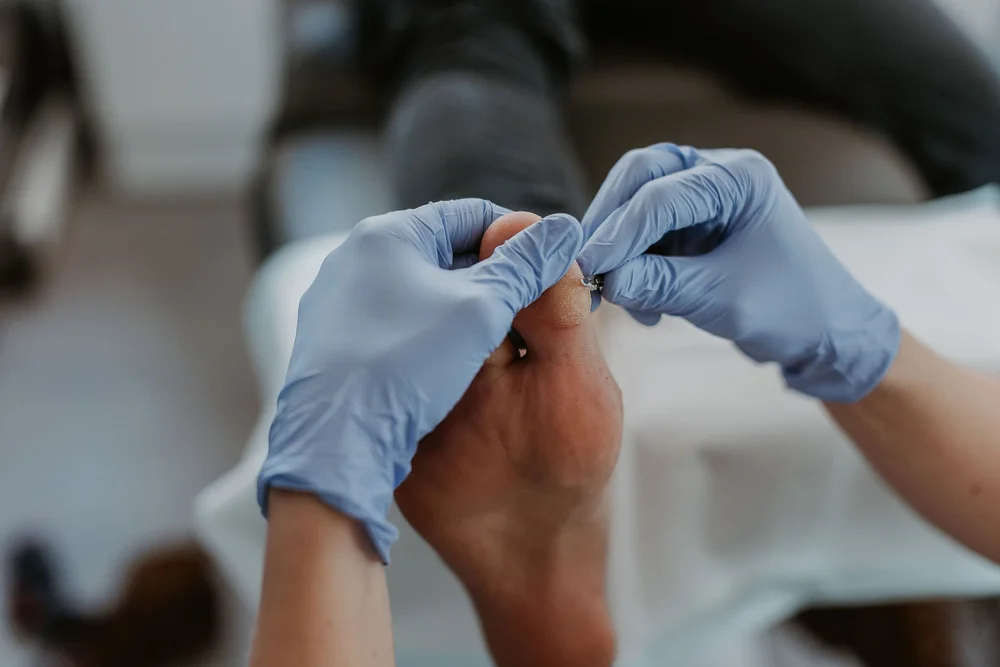
What Are Cracked Heels?
Cracked heels, also known as heel fissures, are a common foot condition where the skin on the heels becomes dry, thickened, and splits. If left untreated, these cracks can deepen, causing pain, bleeding, and an increased risk of infection.
Symptoms of cracked heels include:
- Dry, flaky skin around the heels.
- Thickened or callused skin.
- Pain or discomfort when walking or standing.
- Visible cracks or fissures, sometimes with bleeding.
Causes of Cracked Heels
Cracked heels often result from a combination of factors, including:
- Prolonged standing or walking on hard surfaces.
- Wearing open-back shoes or sandals that expose the heels.
- Dry skin due to low humidity or inadequate moisturization.
- Medical conditions like diabetes or obesity can increase pressure on the heels.
How JS Podiatry Treats Cracked Heels
At JS Podiatry, we provide effective treatments to heal and restore your skin, including:
- Debridement: Professional removal of thickened, dry, or callused skin to promote healing.
- Moisturization Therapy: Application of medical-grade emollients to deeply hydrate and repair the skin.
- Padding and Strapping: Relieving pressure on the heels to allow cracks to heal.
- Preventive Advice: Guidance on proper foot care and moisturising techniques to prevent recurrence.
- Treatment for Underlying Conditions: Addressing contributing factors like diabetes or biomechanical issues.
Why Choose JS Podiatry for Cracked Heel Treatment?
- Experienced Podiatrists: Our team specialises in treating skin conditions like cracked heels with precision and care.
- Comprehensive Care: We provide a holistic approach, addressing both the symptoms and underlying causes.
- Accredited Clinic: We accept Medicare, DVA referrals, and offer private health fund rebates via HICAPS.
- Convenient Location: Visit us at 14 Wickham Street, East Perth, WA, for expert podiatry care.
Preventing Cracked Heels
To keep your heels smooth and healthy, we recommend:
- Regularly moisturise your feet, especially the heels.
- Wearing supportive, closed-back footwear can help reduce pressure on the heels.
- Drinking plenty of water keeps your skin hydrated.
- Use a pumice stone or foot file to gently remove dry skin.
Book Your Appointment Today
Don’t let cracked heels cause discomfort or pain. Contact JS Podiatry for expert care and effective treatment.
Frequently asked questions
What causes cracked heels?
Cracked heels, or heel fissures, occur when the skin around the heel becomes dry, thickened, and loses elasticity. Factors contributing to this condition include prolonged standing, wearing open-back shoes, obesity, and medical conditions such as diabetes or eczema.
What are the symptoms of cracked heels?
Symptoms include visible cracks in the heel skin, dryness, redness, and in severe cases, bleeding or infection. Discomfort or pain may be experienced, especially when standing or walking for extended periods.
How can I treat cracked heels at home?
Home treatments involve soaking the feet in warm, soapy water to soften the skin, gently exfoliating with a pumice stone, and applying a thick moisturiser or heel balm containing urea or salicylic acid. Wearing cotton socks after moisturising can help retain moisture.
When should I see a podiatrist about cracked heels?
If home treatments do not improve the condition, or if the cracks are deep, painful, or show signs of infection, it's advisable to consult a podiatrist. Individuals with underlying health conditions like diabetes should seek professional care promptly.
How do podiatrists treat cracked heels?
Podiatrists can perform debridement to remove thickened skin, apply dressings to minimise skin movement, and recommend appropriate footwear to alleviate pressure on the heels. In some cases, prescription-strength moisturisers or antifungal treatments may be necessary.
How can I prevent cracked heels from coming back?
Preventative measures include maintaining proper foot hygiene, regularly moisturising the feet, wearing supportive footwear, avoiding prolonged standing on hard surfaces, and managing underlying health conditions effectively.