
Trigger points released. Movement restored.
Tight, irritable knots in muscle, trigger points, cause pain and restrict movement long after an injury should have healed. Dry needling releases them at the source, as part of an evidence-based treatment plan.
- Qualified podiatrists, strict infection control
- Relief often within 1 to 2 sessions
- Combined with shockwave and orthotics for lasting results
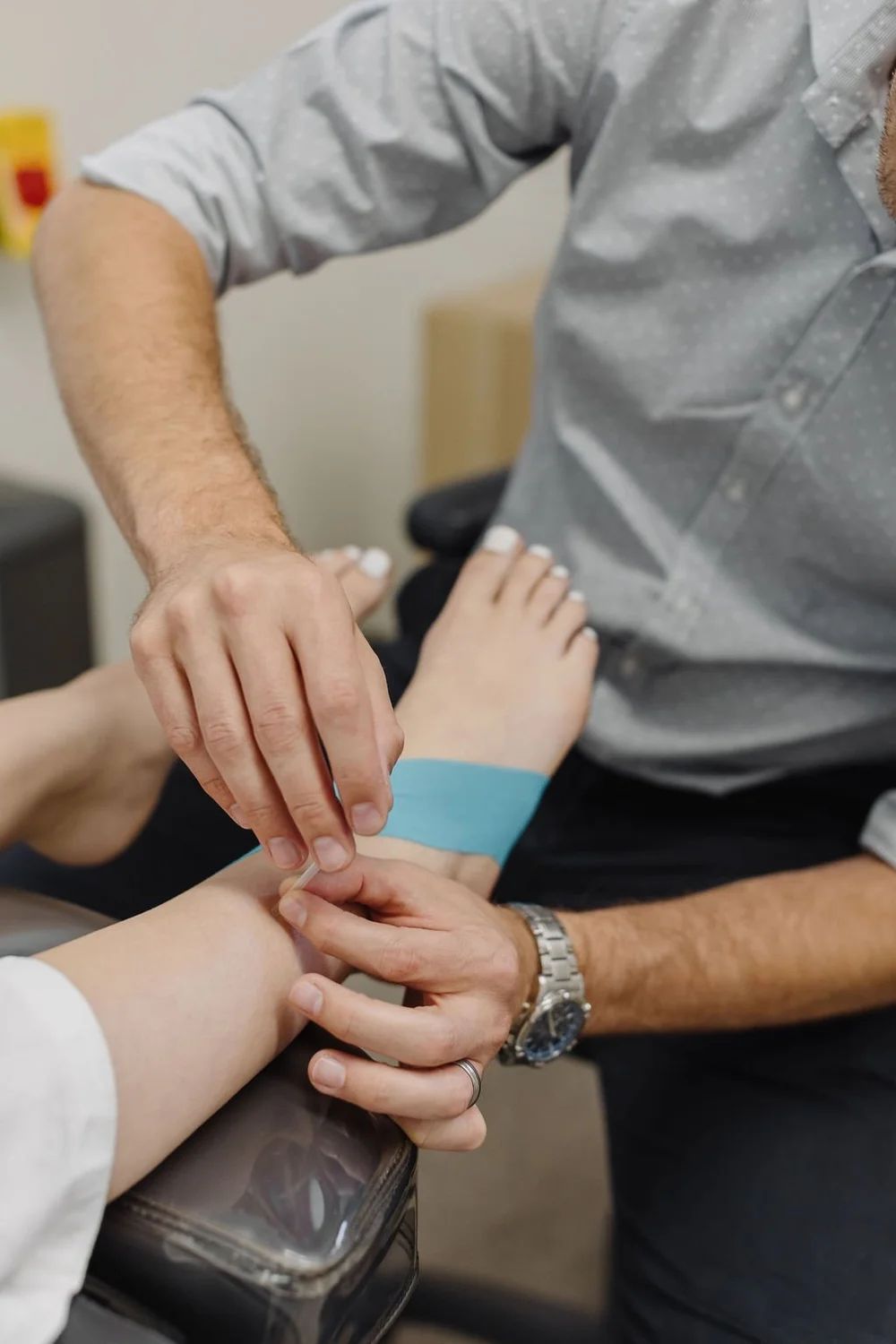
Assessed first, needled only where it helps
- 01
Assess
A thorough biomechanical assessment first, dry needling is only used where it's actually the right tool.
- 02
Release
Fine, sterile needles target the trigger points in your feet, calves and lower limbs. Most people feel a dull ache at most.
- 03
Combine
Sessions run 30 to 45 minutes and are often paired with shockwave, orthotics or rehab work to make the release last.
Built for stubborn muscle-driven pain
Dry needling earns its place in treatment plans for:
- Plantar fasciitis
- Achilles tendinopathy
- Shin splints
- Calf tightness & cramping
- Morton's neuroma (adjunct)
- Peroneal & posterior tibial tendinopathy
- Chronic ankle instability
Not acupuncture: same fine needles, different job, this is targeted myofascial release grounded in musculoskeletal medicine, not energy flow.
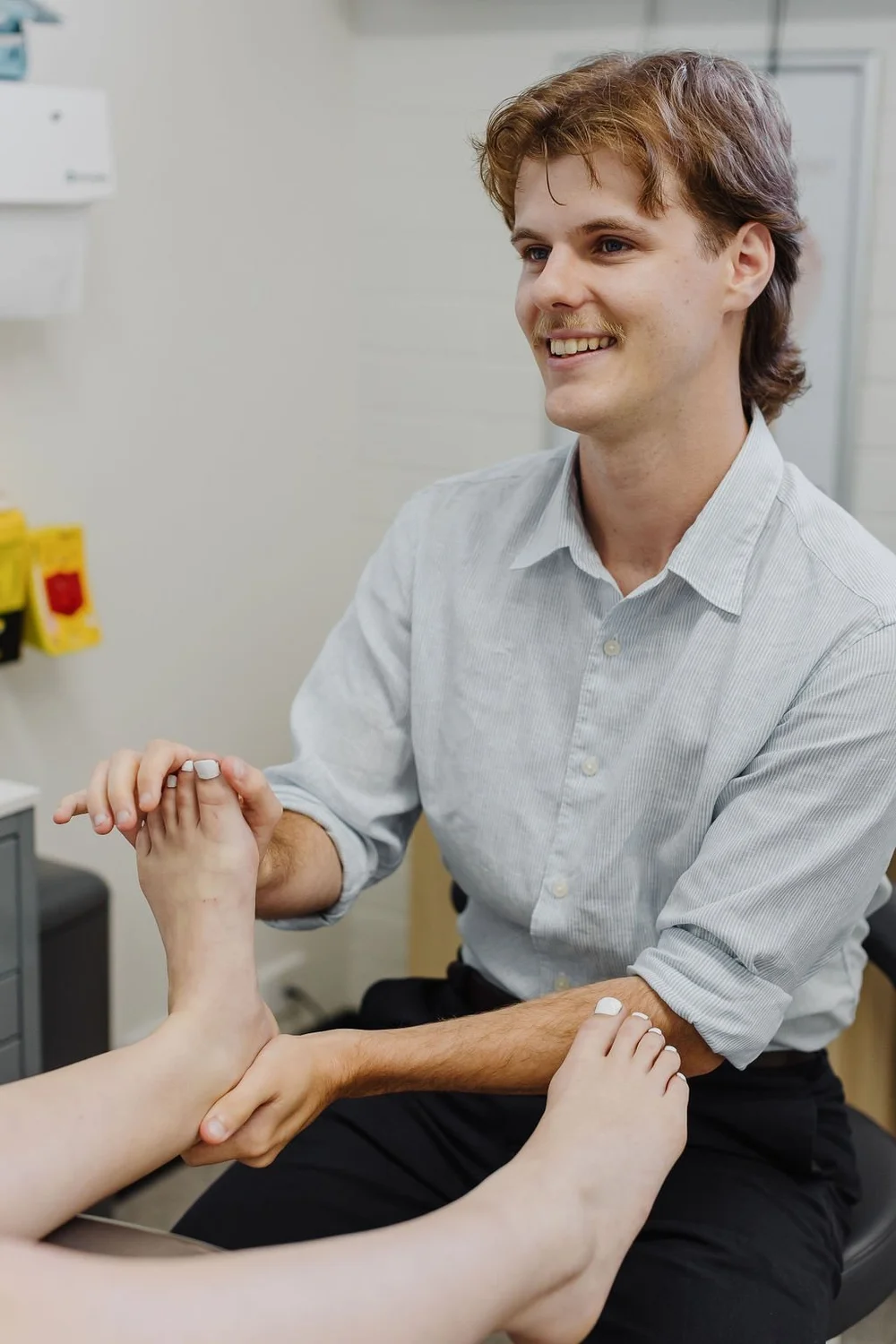
The needles are the bit putting you off, are they?
Most people describe it as a deep ache rather than a sharp scratch, and nobody is going to talk you into it. It also is not the right tool for every problem. Tell us what is tight or sore and a podiatrist will come back to you about whether needling is even worth considering for it.
Thanks, that is with us
Your reference is . One of our podiatrists will read what you have written and get back to you the way you asked, usually the same day during clinic hours (Mon to Fri 7:30 am to 6:00 pm, Sat 8:00 am to 12:00 pm).
Demonstration build: this was formatted for the clinic but not delivered anywhere yet.
- Highly trained in lower-limb dry needling
- Integrated with 3D gait analysis and manual therapy
- Not suitable for everyone, we screen you properly first
- No referral needed; GP care plans coordinated
“Patients typically report reduced muscle tightness and improved range of motion after just a few sessions.”
, Johan Steenkamp, Owner, JS Podiatry