Fast relief now. No repeat performance.

Pain, swelling or infection from an ingrown toenail can make every step miserable. Our podiatrists treat all stages gently and effectively, from conservative care through to in-house nail surgery, and then make sure it doesn't come back.

  • All stages treated, gently
  • Medicare rebates & HICAPS
  • Advanced training in nail surgery
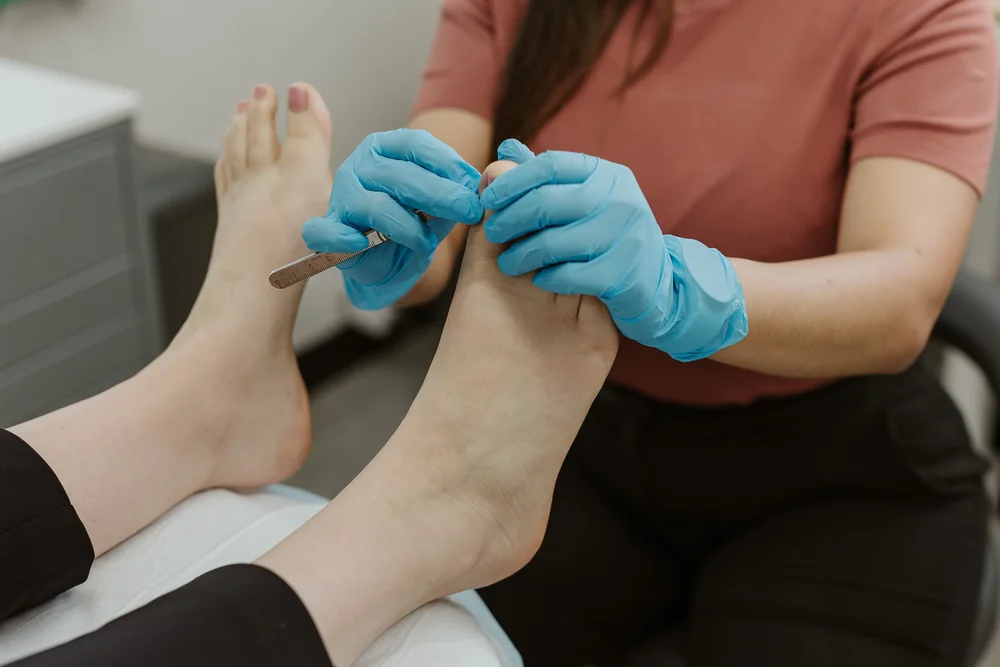
JS Podiatry podiatrist treating a patient's ingrown toenail

Three steps from throbbing to sorted

  1. 01

    Assess

    A comprehensive look at the nail and surrounding tissue, stage, infection, cause, and your history.

  2. 02

    Treat

    Tailored to the case: conservative care where it works, minor in-house nail surgery (partial or total avulsion) where it's needed.

  3. 03

    Prevent

    Aftercare support and recurrence prevention, because fixing it twice isn't a win.

BraceNFix: braces, but for your toenail

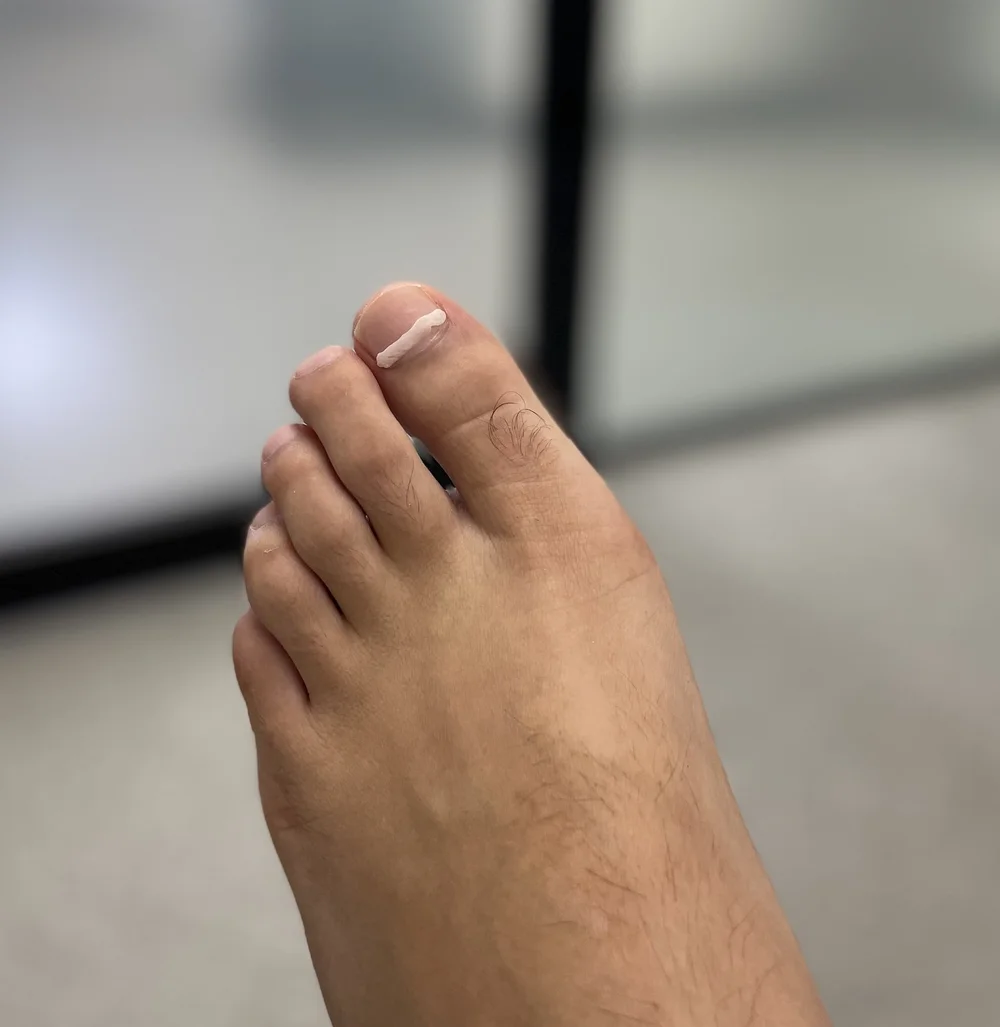
Not every ingrown nail needs surgery. BraceNFix is a small, custom-made brace that gently corrects the nail's curvature as it grows, the way a brace straightens teeth. No cutting, near-immediate relief, painless to apply.

It works in around 80 to 85% of cases, is safe for children, adults, and people with diabetes or poor circulation, and is covered by many health funds (item F344).
Read how nail bracing works →
A BraceNFix nail brace applied to correct a curved toenail

A last resort, done properly when it's needed

For severe or recurring cases, a partial or total nail avulsion is an in-house procedure of about an hour, under local anaesthetic, you'll feel pressure, not sharp pain. Most people are back to regular activities within a week or two. We recommend it only when conservative options genuinely won't get you there.

Putting it off because you think it will hurt?

Most people wait far longer than they need to, usually picturing something worse than what actually happens. You will be told plainly what is involved before anything is decided, and you can stop at any point. Tell us what the toe is doing and a podiatrist will come back to you.

What the toe is doing
Which one is it?
What is it like at the moment?
How long, and what you have tried
How long has it been like this?
What have you tried?
What would you want to know before booking?
Where do we send the answer?

  • Quick, effective relief at every stage
  • Extended hours at the East Perth clinic
  • Trusted by athletes and families alike
  • Wear open-toed shoes to your appointment

“Our goal is personalised care that meets each patient's needs while minimising pain and discomfort as much as possible.”

, Johan Steenkamp, Owner, JS Podiatry

Frequently asked questions

What is the recovery time after ingrown toenail surgery?
Recovery varies with the extent of the procedure and your individual healing. Most patients have some soreness, swelling and bruising for a few days and are advised to rest at first, keeping the dressing clean and dry. Most return to regular activities within a week or two while following the podiatrist's instructions.
What are the symptoms of an ingrown toenail?
Symptoms usually include pain, tenderness, swelling and redness around the affected toenail. The nail may become infected and develop pus, and the surrounding skin can become irritated or form a hard, raised bump. If you suspect an ingrown toenail, seek attention to stop it worsening.
How does JS Podiatry treat ingrown toenails?
Our podiatrists identify the underlying cause and create a personalised care plan based on your medical history, lifestyle and preferences. Options range from conservative methods, such as removing the offending piece of nail and antibiotic treatment, through to surgical options like a partial nail avulsion or total nail removal in more severe cases.
Does ingrown toenail surgery hurt?
Your podiatrist may numb the toe with a local anaesthetic to minimise pain. You may feel some pressure and pulling during the procedure but should not feel sharp pain. Afterwards there can be discomfort as the anaesthetic wears off, and we may recommend over-the-counter pain relievers.
How should I prepare for my ingrown nail treatment appointment?
Wear comfortable, loose-fitting shoes such as sandals, slides or thongs with open toes, and clothing you can move around in easily. Tell your podiatrist about any medications, allergies or medical conditions beforehand, and bring a list of any questions or concerns to discuss.
How does BraceNFix nail bracing work?
BraceNFix works much like a brace for your teeth. A small, custom-made brace supports the nail as it grows, guiding it and stopping it curling inward. It contracts the nail on application, which usually gives near-immediate relief that keeps improving as the nail grows.
Is BraceNFix safe if I have diabetes?
Yes. Because the brace is applied externally, on top of the nail plate, BraceNFix is suitable for patients with diabetes or poor circulation.
Is nail bracing covered by private health insurance?
BraceNFix is covered by many private health funds (item number F344). Contact your insurer to confirm whether you are covered.

Meet the podiatrists you'll see

Ready for relief that lasts?

Book your ingrown toenail appointment, Medicare rebates and HICAPS claims available.