
Peroneal Tendonitis

Outer ankle pain or instability? Our East Perth podiatrists treat peroneal tendonitis with shockwave, orthotics and tailored rehab. Book online today.

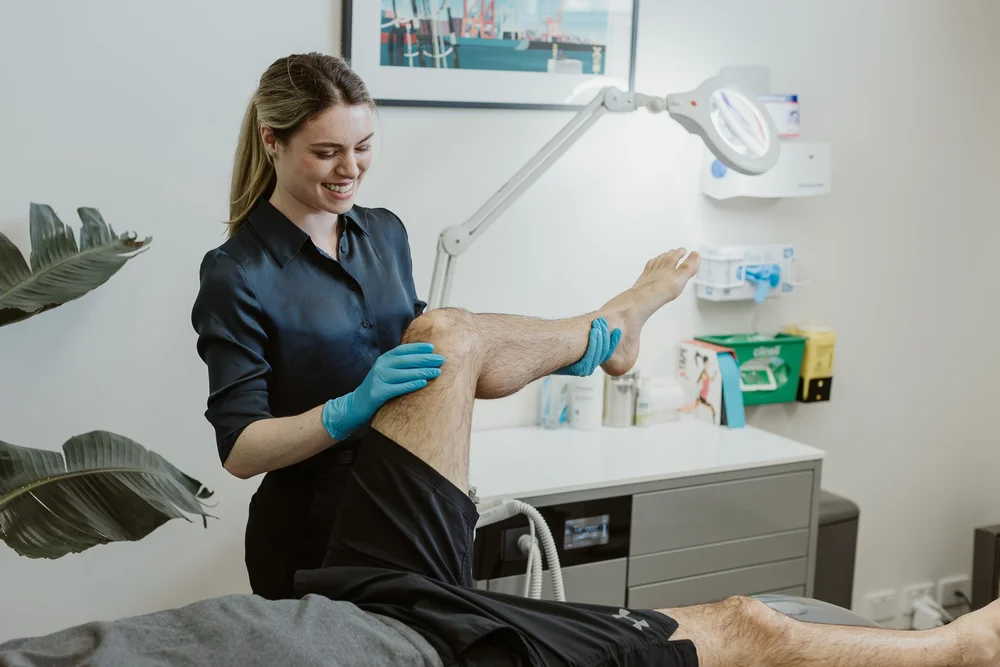
A podiatrist supporting a patient's ankle with strapping tape applied

What Is Peroneal Tendonitis?

Peroneal tendonitis is a condition caused by inflammation or irritation of the peroneal tendons, which run along the outer side of the ankle. These tendons play a crucial role in stabilising the ankle and foot during movement. When inflamed, they can cause pain, swelling, and reduced mobility.

Symptoms of peroneal tendonitis include:

Pain along the outer side of the ankle or foot.

Swelling or tenderness around the affected area.

Weakness or instability in the ankle.

Pain that worsens with activity and improves with rest.

Causes of Peroneal Tendonitis

Peroneal tendonitis often develops due to overuse, repetitive strain, or injury. Common causes include:

Overtraining: Excessive running, jumping, or other high-impact activities.

Improper Footwear: Wearing shoes without proper support or cushioning.

Biomechanical Issues: Flat feet, high arches, or abnormal gait patterns that place extra strain on the tendons.

Ankle Injuries: Sprains or trauma that destabilize the ankle.

How JS Podiatry Treats Peroneal Tendonitis

At JS Podiatry, we provide comprehensive care to alleviate pain, reduce inflammation, and restore tendon function. Our treatments include:

Shockwave Therapy: Stimulates healing and reduces pain by improving blood flow to the tendons.

Biomechanical Assessments: Identifying and correcting gait issues or biomechanical imbalances.

Custom Orthotics: Providing arch support and redistributing pressure to reduce strain on the peroneal tendons.

Stretching and Strengthening Programs: Tailored exercises to improve flexibility and strengthen the surrounding muscles.

Prolotherapy: Stimulates tissue repair and promotes long-term healing in chronic cases.

Footwear Advice: Recommending supportive footwear to prevent further strain.

Why Choose JS Podiatry for Peroneal Tendonitis Treatment?

Experienced Podiatrists: Our team specialises in treating musculoskeletal conditions like peroneal tendonitis.

Advanced Therapies: We use cutting-edge treatments, including shockwave therapy and prolotherapy, for effective results.

Holistic Care: We focus on treating the root cause of your condition to prevent recurrence.

Accredited Clinic: We accept Medicare, DVA referrals, and offer private health fund rebates via HICAPS.

Convenient Location: Visit us at 14 Wickham Street, East Perth, WA, for expert podiatry care.

Preventing Peroneal Tendonitis

To reduce the risk of peroneal tendonitis, we recommend:

Gradually increasing the intensity of physical activity.

Wearing proper footwear that provides adequate support for your foot type.

Incorporating stretching and strengthening exercises into your routine.

Avoiding repetitive strain by alternating activities.

Book Your Appointment Today

Don’t let peroneal tendonitis limit your mobility or cause unnecessary pain. Contact JS Podiatry for expert care and effective treatment.


Book Your Consultation Now

Call Us

Frequently asked questions

What is peroneal tendonitis?
Peroneal tendonitis is an inflammation or irritation of the peroneal tendons, which run along the outer side of the ankle. These tendons play a crucial role in stabilising the ankle and foot during movement. When inflamed, they can cause pain, swelling, and instability.
What causes peroneal tendonitis?
Common causes include overuse from activities like running or dancing, wearing improper footwear, ankle sprains, and anatomical factors such as high arches. These factors can lead to increased stress on the peroneal tendons, resulting in inflammation.
What are the symptoms of peroneal tendonitis?
Symptoms often include pain and swelling along the outer ankle, tenderness when pressing on the tendons, and pain that worsens with activity and improves with rest. Some individuals may also experience a feeling of instability in the ankle.
How is peroneal tendonitis diagnosed?
Diagnosis typically involves a physical examination to assess pain and function. Imaging tests like X-rays or MRIs may be used to evaluate the tendons and rule out other conditions.
How is peroneal tendonitis treated?
Treatment options include rest, ice application, anti-inflammatory medications, physical therapy exercises, orthotics to support the foot, and in severe cases, surgical intervention.
When should I see a podiatrist for peroneal tendonitis?
If you experience persistent pain, swelling, or instability in your ankle, it's advisable to consult a podiatrist for a comprehensive evaluation and tailored treatment plan.

Not sure this is worth an appointment?

Plenty of people sit on it for months, waiting to see whether it settles. Sometimes it does. Tell us what yours is doing and one of our podiatrists will read it and come back to you about whether it needs seeing, and what you can do in the meantime.

About your Peroneal Tendonitis
How long has it been going on?
How much is it getting in the way?
What have you already tried?
Where do we send the answer?

Meet the podiatrists you'll see

  • Johan Steenkamp Podiatrist · BPodMed Complex cases & sports injuries Book a time Book with Johan
  • Lucy Weekes Podiatrist · BSc DPM Complex lower-limb care & runners Book a time Book with Lucy
  • Mathew Millar Podiatrist · BSc DPM Biomechanics & rehabilitation Book a time Book with Mathew
  • Shivani Parihar Podiatrist · BSc DPM Paediatrics & sports rehab Book a time Book with Shivani

Get to the bottom of your pain

Book an assessment with our East Perth podiatrists, we’ll find the cause and build a plan to fix it. Same-day appointments often available.