
Plantar Plate Injuries

Forefoot pain or a toe that's started to drift? JS Podiatry in East Perth diagnoses and treats plantar plate injuries to get you moving again. Book online.

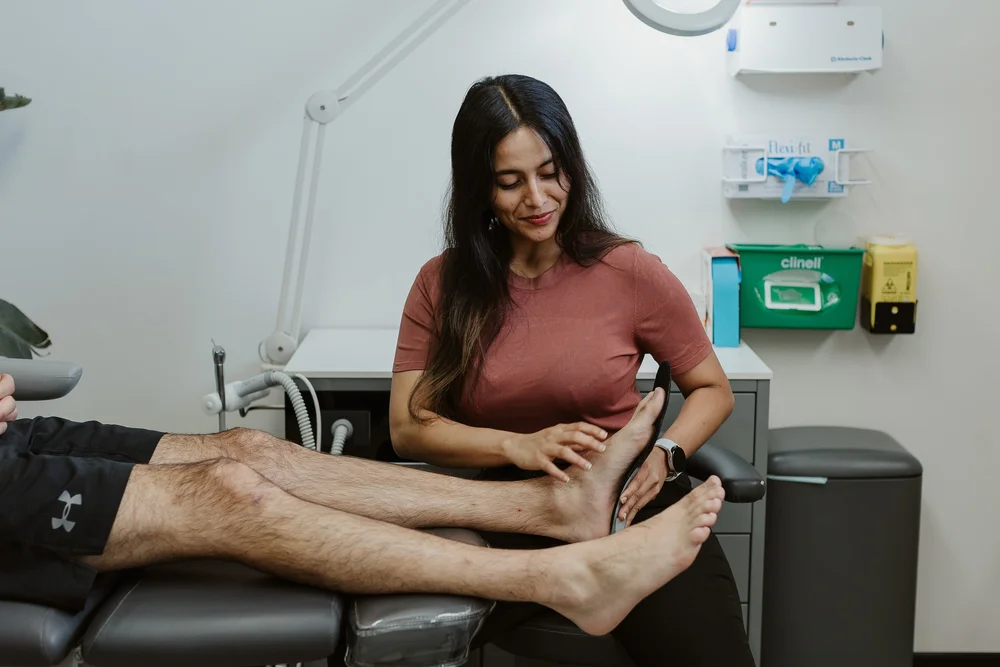
A podiatrist assessing a patient's foot and lower leg on the treatment couch

What Are Plantar Plate Injuries?

Plantar plate injuries involve damage or tearing of the strong ligament-like structure located beneath the ball of the foot, most commonly under the second toe. If left untreated, this condition can lead to pain, instability, and even toe deformity. At JS Podiatry in East Perth, we specialise in diagnosing and treating plantar plate injuries so you can return to comfortable, active living.

Symptoms

Typical symptoms of a plantar plate injury include:

Pain or tenderness under the ball of the foot, especially beneath the second toe

Swelling or bruising at the base of the toe

Feeling of instability or “giving way” in the toe

Worsening pain when walking barefoot or in flexible shoes

Development of a “floating” or deviated toe

Early assessment and treatment are crucial to prevent further damage and restore normal foot function.

Causes and Risk Factors

Plantar plate injuries may result from:

Repetitive overload or excessive pressure on the ball of the foot

High-impact activities, running, or jumping

Wearing high heels or unsupportive footwear

Biomechanical issues like bunions, hammertoes, or long second toes

Diagnosis

At JS Podiatry, our experienced podiatrists perform a thorough assessment, including medical history, physical examination, and gait analysis. Diagnostic imaging (such as ultrasound or MRI) may be recommended to confirm the injury and assess its severity.

Treatment Options

We offer a range of evidence-based treatments for plantar plate injuries, including:

Footwear Advice: Guidance on supportive shoes to reduce pressure on the forefoot.

Custom Orthotics: Devices designed to offload the injured area and correct biomechanical issues.

Padding and Taping: To support the toe and relieve pain.

Activity Modification: Recommendations to limit aggravating activities during recovery.

Shockwave Therapy: To stimulate healing and reduce inflammation in some cases.

Rehabilitation Exercises: To restore strength, stability, and range of motion.

Referral for Specialist Care: For severe or chronic cases, we coordinate with trusted foot and ankle specialists.

Why Choose JS Podiatry?

Our East Perth team is experienced in managing plantar plate injuries with a personalised, holistic approach. We focus on long-term relief, restoring foot function, and helping you safely return to your normal activities.

Book an Appointment

Don’t let forefoot pain or toe instability slow you down. Contact JS Podiatry today for expert assessment and tailored treatment for plantar plate injuries.


Book Online Now

Call Us

Frequently asked questions

What is a plantar plate injury?
A plantar plate injury involves damage or tearing of the strong ligament-like structure on the ball of the foot. This structure supports the metatarsophalangeal (MTP) joints, which connect the metatarsal bones to the toes.
What causes a plantar plate injury?
Causes include overuse and repetitive activities, especially high-impact sports like running or jumping. Trauma such as a fall or sudden force, improper footwear, and foot structure conditions like flat feet or high arches can also contribute.
What are the symptoms of a plantar plate injury?
Common symptoms include sharp or aching pain in the ball of the foot, especially when walking or standing, along with localised swelling and tenderness at the MTP joints. In more severe cases, a cock-up toe deformity may develop.
How is a plantar plate injury diagnosed?
Diagnosis typically involves a medical history review and a physical examination to assess tenderness and range of motion. Imaging studies such as X-rays or MRI may be used to confirm the injury and assess the extent of damage.
How are plantar plate injuries treated?
Treatment options may include rest, ice, footwear modifications, physical therapy, and corticosteroid injections. In severe cases, surgical intervention to repair the plantar plate may be considered.
Can plantar plate injuries be prevented?
Prevention focuses on optimising foot function and reducing abnormal stresses on the plantar plates. This includes wearing properly fitting shoes, avoiding high heels, and addressing any foot deformities or biomechanical issues.

Not sure this is worth an appointment?

Plenty of people sit on it for months, waiting to see whether it settles. Sometimes it does. Tell us what yours is doing and one of our podiatrists will read it and come back to you about whether it needs seeing, and what you can do in the meantime.

About your Plantar Plate Injuries
How long has it been going on?
How much is it getting in the way?
What have you already tried?
Where do we send the answer?

Meet the podiatrists you'll see

  • Johan Steenkamp Podiatrist · BPodMed Complex cases & sports injuries Book a time Book with Johan
  • Lucy Weekes Podiatrist · BSc DPM Complex lower-limb care & runners Book a time Book with Lucy
  • Mathew Millar Podiatrist · BSc DPM Biomechanics & rehabilitation Book a time Book with Mathew
  • Shivani Parihar Podiatrist · BSc DPM Paediatrics & sports rehab Book a time Book with Shivani

Get to the bottom of your pain

Book an assessment with our East Perth podiatrists, we’ll find the cause and build a plan to fix it. Same-day appointments often available.