

Running is a fantastic way to stay fit and active, but it can also lead to injuries if you’re not careful. At JS Podiatry, we pride ourselves on helping runners recover from injuries and return to doing what they love. Prevention, however, is always better than cure! Here are our top five tips to help you stay injury-free on your running journey:
1. Choose the Right Footwear
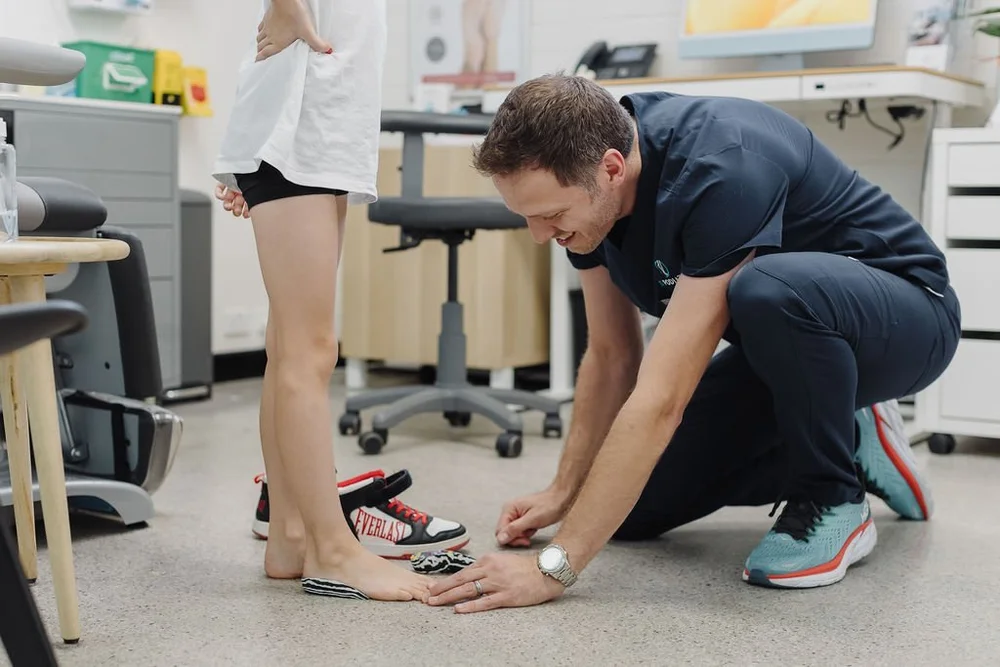
Wearing the correct running shoes is crucial for injury prevention. Shoes that match your foot type and running style can provide the right amount of support and cushioning. Visit a professional for a gait analysis or biomechanical assessment to ensure your shoes are the perfect fit for your needs. Remember, worn-out shoes can lead to issues like shin splints and plantar fasciitis, so replace them regularly. Many runners don’t lock-lace, and we see this as a great way to reduce toe injuries!
2. Warm-Up and Cool Down Properly
Never skip your warm-up and cool-down routines! A proper warm-up prepares your muscles for activity, reducing the risk of strains and sprains. Dynamic stretches, light jogging, or mobility exercises are great ways to warm up. After your run, cool down with static stretches to improve flexibility and reduce muscle soreness.
3. Gradually Increase Mileage
One of the most common causes of running injuries is doing too much too soon. Follow the “10% Rule”, don’t increase your weekly mileage by more than 10% at a time. Gradual progression allows your muscles, joints, and tendons to adapt to the increased workload, reducing the risk of overuse injuries like Achilles tendinitis or stress fractures.
4. Strengthen Supporting Muscles
Strong muscles provide better stability and reduce the load on your joints. Incorporate strength training into your weekly routine, focusing on your core, glutes, and legs. Exercises like squats, lunges, and planks can improve your running form and help prevent injuries caused by muscle imbalances or weaknesses.
5. Listen to Your Body
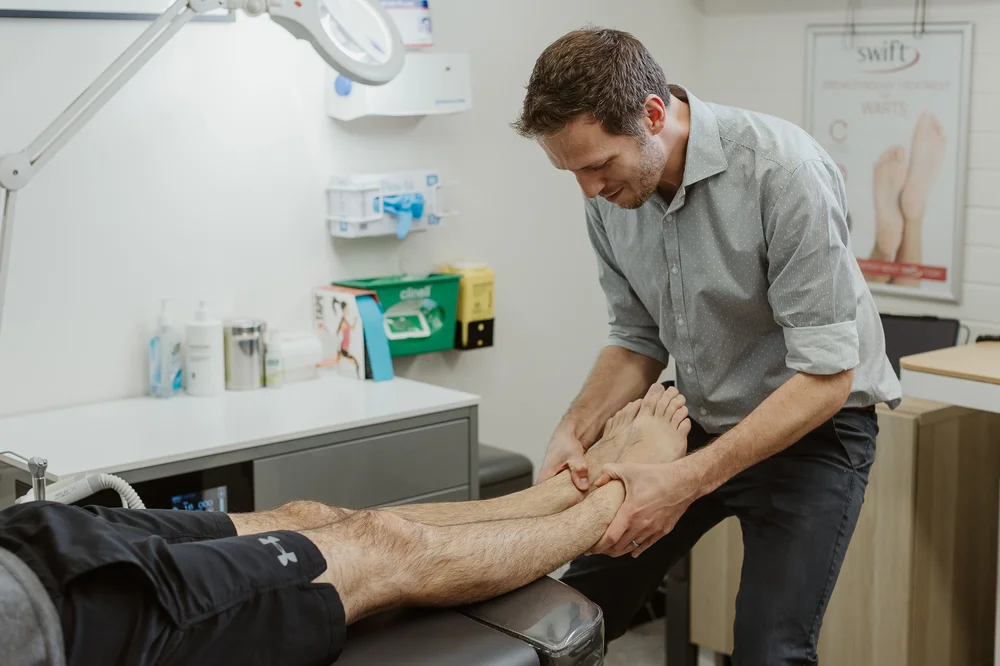
Pain is your body’s way of telling you something isn’t right. Ignoring discomfort can turn a minor issue into a more serious injury. If you feel persistent pain, take a break and consult a podiatrist or healthcare professional. Early intervention can make all the difference in a speedy recovery.
At JS Podiatry, we’re here to support runners of all levels. Whether you’re dealing with an injury or looking for advice on improving your performance, our team of experts is ready to help. Book an appointment today, and let us keep you running strong!